
Trouble-free information
Why front halls needs more dashboards

Donella Meadows’ classic Thinking in Systems has already inspired one of my blog posts—but the richness of her insights deserves another round at the keyboard.
One principle she emphasizes stands out for anyone working with data and analytics:
“Thou shall not distort, delay, or withhold information (in a system).”
This may sound simple, but it is a powerful reminder. Think about decisions you’ve made that didn’t turn out as expected. How much would you have paid, in hindsight, to have the right information at the right time? Exactly. That’s why organizations spend on cloud storage, computing power, and teams of engineers and analysts. The hidden cost of missing information is often much higher than the investment in data systems.
The Dutch Experiment: Meters in the Hall vs. Meters in the Basement
A classic Dutch experiment illustrates this vividly. Two groups of households were studied:
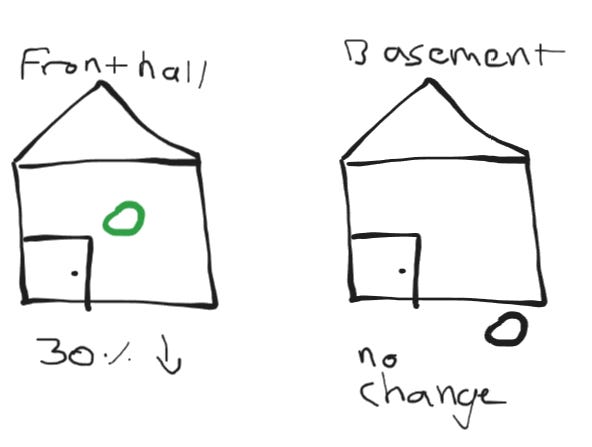
Group A had electric meters installed in the basement.
Group B had their meters installed in the front hall.
The results? Striking.
Households with meters in the hall reduced their electricity consumption by 30% compared to the basement group.
A 30% reduction in costs is the kind of outcome management teams will move mountains for. And yet, the lever wasn’t new technology, subsidies, or pricing mechanisms—it was simply placing information where it could not be ignored.
Trouble-free information
I titled this post Trouble-Free Information because this study highlights something essential: data professionals don’t just need to produce valuable data products. We must also ensure that access to this information is seamless, visible, and timely—what I like to call “going the last mile.” and essentially is about data quality.
In systems thinking terms, walking past an electricity meter is a feedback loop. The system (the household) sees its own performance in real time, which naturally triggers behavior change. People reduce consumption because they are reminded of it every day—and most of us have very good reasons to cut waste.
By contrast, when the meter is hidden in the basement, the loop is broken. The feedback exists in theory, but it doesn’t flow to the people who need it. No feedback, no change.
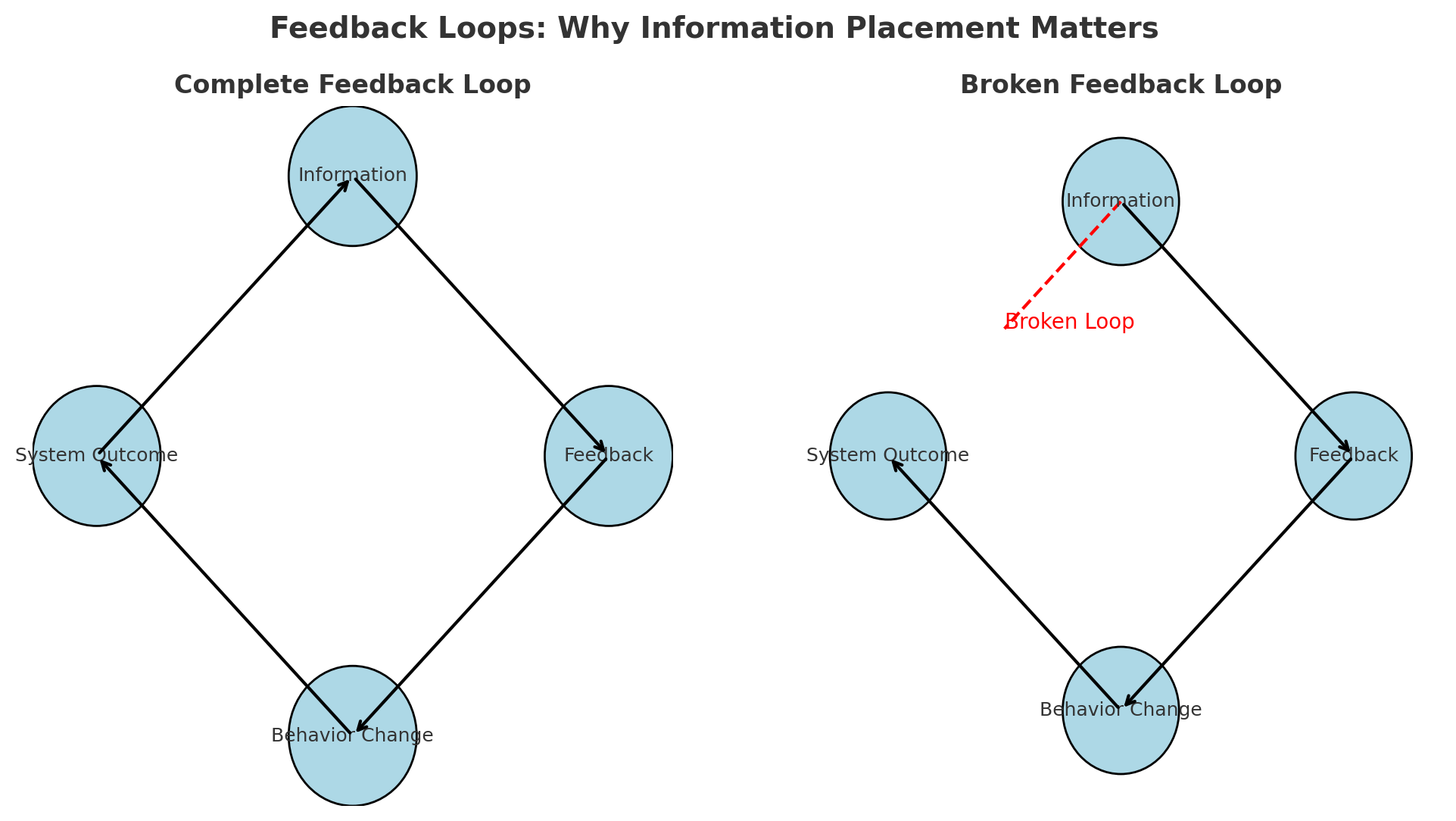
For data professionals, the lesson is clear: our role is not just to collect and store information but to design systems that bring it to the “front hall.” That means restoring and evolving information flows, and creating meaningful feedback loops that decision-makers can’t miss.
Seen through the systems lens, it becomes obvious why organizations spend heavily on data infrastructure—and why we must go that extra step to ensure information doesn’t get lost in the basement.
To end with another of Meadows’ sharp reminders:
“Missing information flows is one of the most common causes of system malfunctioning.”
(Thinking in Systems, p. 157)
The Dutch experiment reminds us that feedback isn’t a luxury—it’s the difference between drift and change. Wherever information is buried, systems stall. Wherever it flows, systems adapt.
In my next post, I’ll explore other leverage points that can reshape systems, and how data professionals can use them in practice.
#GoingTheLastMile
